
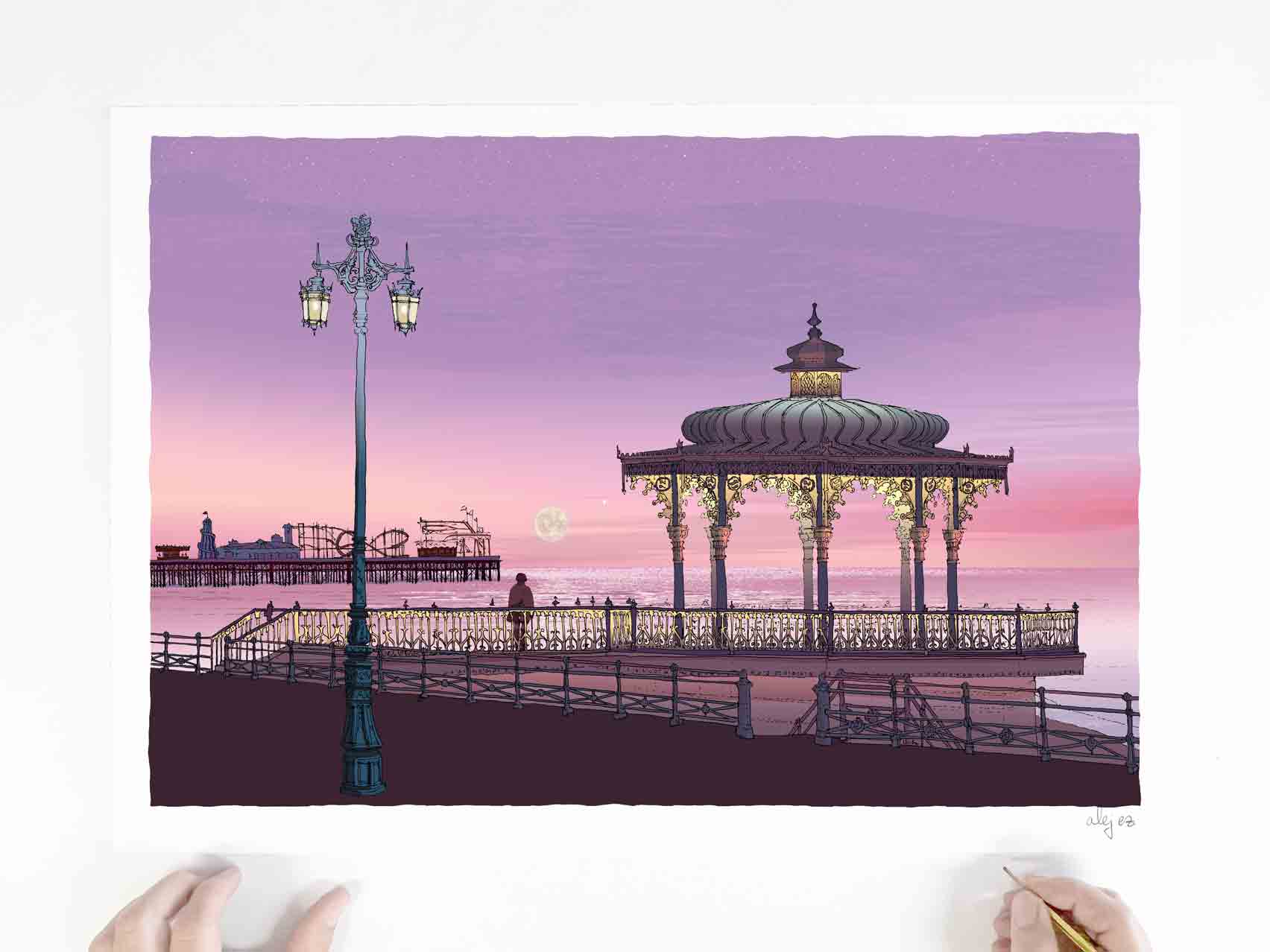
Print series: Belt of Venus
I’m often looking up—through windows at night, cycling along the seafront, or walking home past Brunswick Square in Hove. Those skies, along with childhood evenings spent studying constellations with a torch and a sky map, have led to a new series of prints: The Belt of Venus. The Belt of Venus is a soft pink glow that appears just before sunrise or after sunset, hovering above the horizon opposite the sun. It’s caused by sunlight scattering through the atmosphere, often separated from the horizon by the darker band of Earth’s shadow. In winter, the colour can feel sharper and more vivid.
Around 20 March this year, I watched a delicate crescent moon sit beside Venus in the western sky—a brief, bright pairing that felt closely tied to this work.
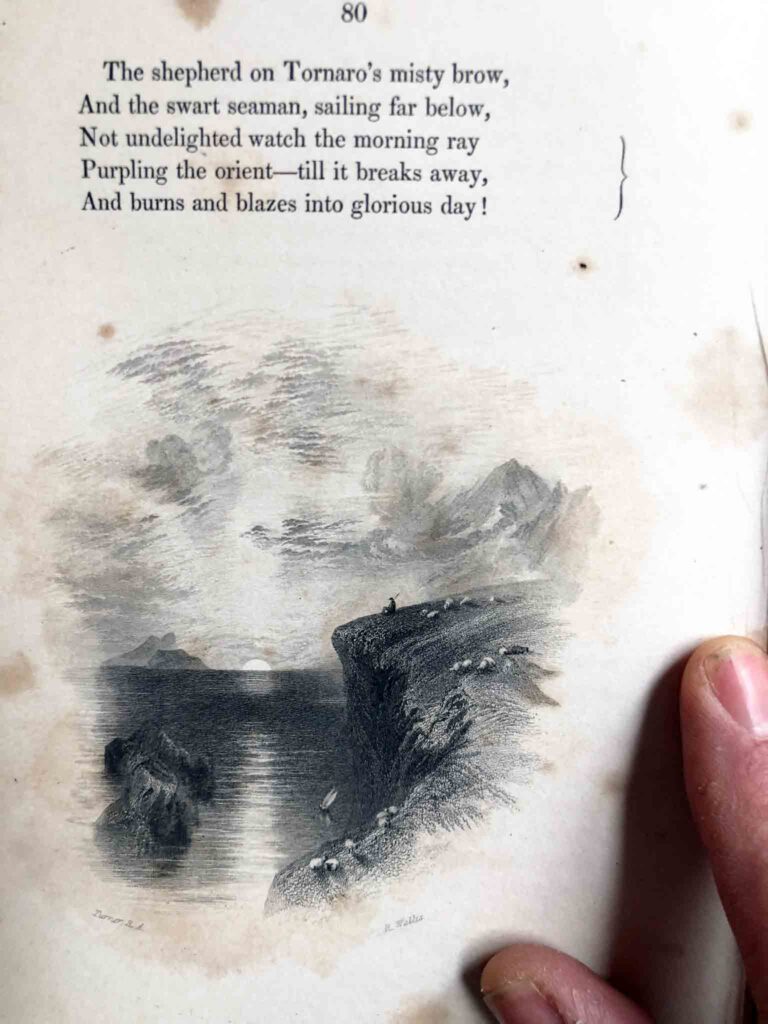
At home, I often return to an engraving titled Tornaro, based on Turner, from Samuel Rogers’s book Poems. It’s something I keep close, and revisit often.
The lines beneath it stay with me:
The shepherd on Tornaro’s misty brow,
And the swart seaman, sailing far below,
Not undelighted watch the morning ray
Purpling the orient—till it breaks away.
And burns and blazes into glorious day!
Art Echoes
I don’t think this fascination with light—especially at dawn and sunset—is unique to me. It feels universal.
It’s the presence and absence of light that we instinctively connect with life itself: beginnings and endings, arrival and departure, birth and death. Artists have always returned to this threshold.
Recently, I saw several exhibitions that deepened this curiosity.
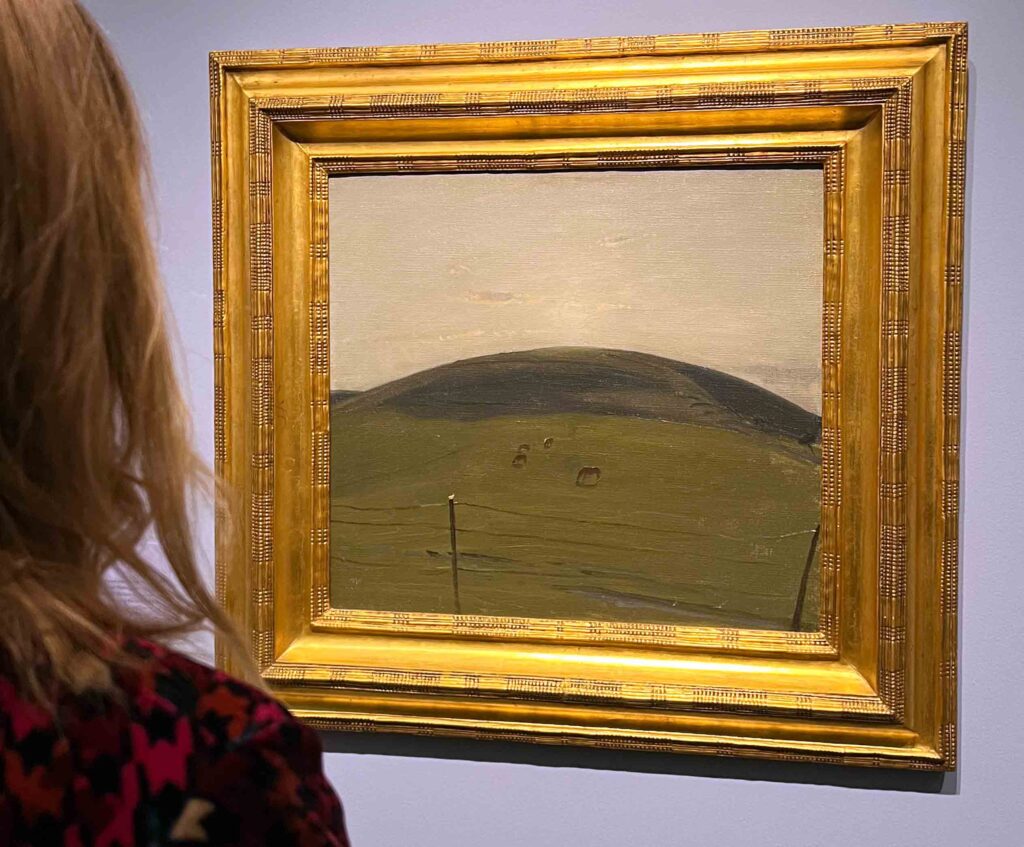
At Pallant House Gallery, I encountered Dawn (1912) by Sir William Nicholson—a quiet, restrained painting that somehow holds an entire atmosphere within it.
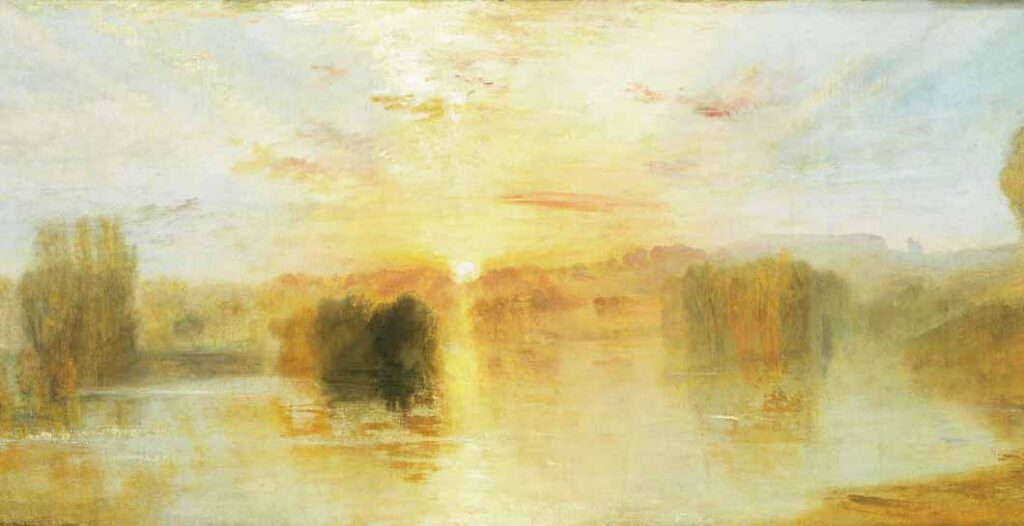
At Tate Britain, I spent time with works by J. M. W. Turner, including The Lake, Petworth, Sunset. Turner’s handling of light feels almost dissolved—less about representation, more about immersion.
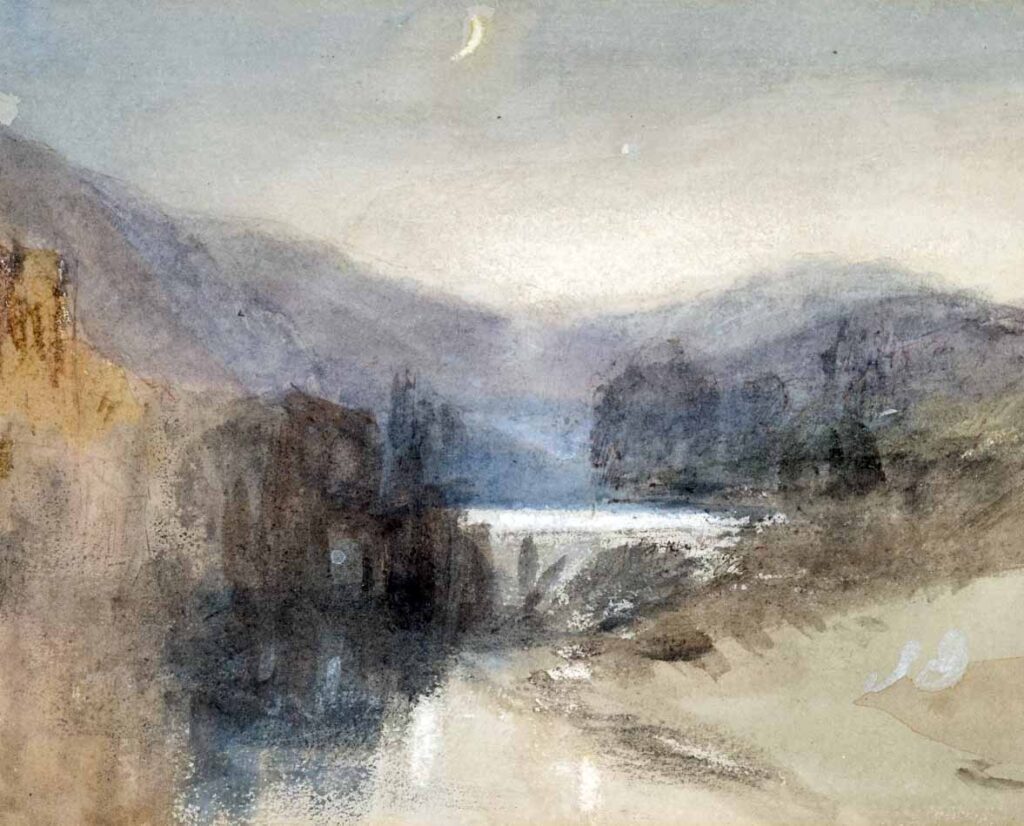
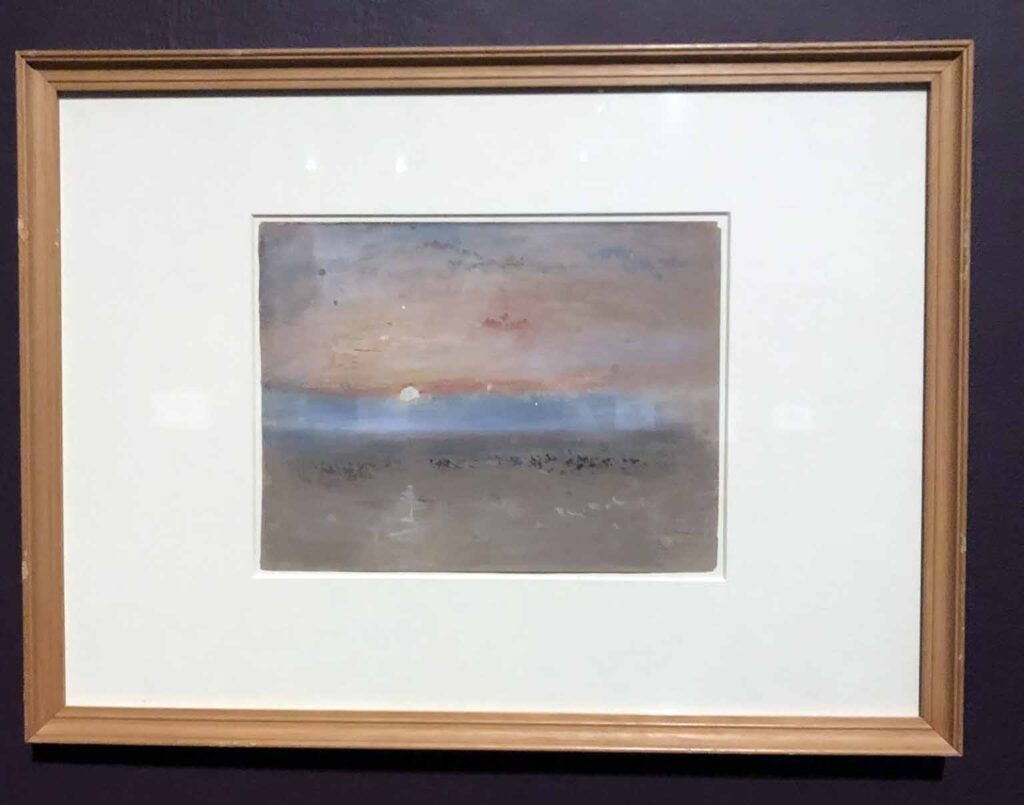
Then at Towner Eastbourne, in an exhibition originating from the Holburne Museum, I saw more of Turner’s work: A Low Sun (c. 1840) and River Scene with Crescent Moon (c. 1841). These works sit right at that edge—where form begins to give way to light.
Prints in this series
-
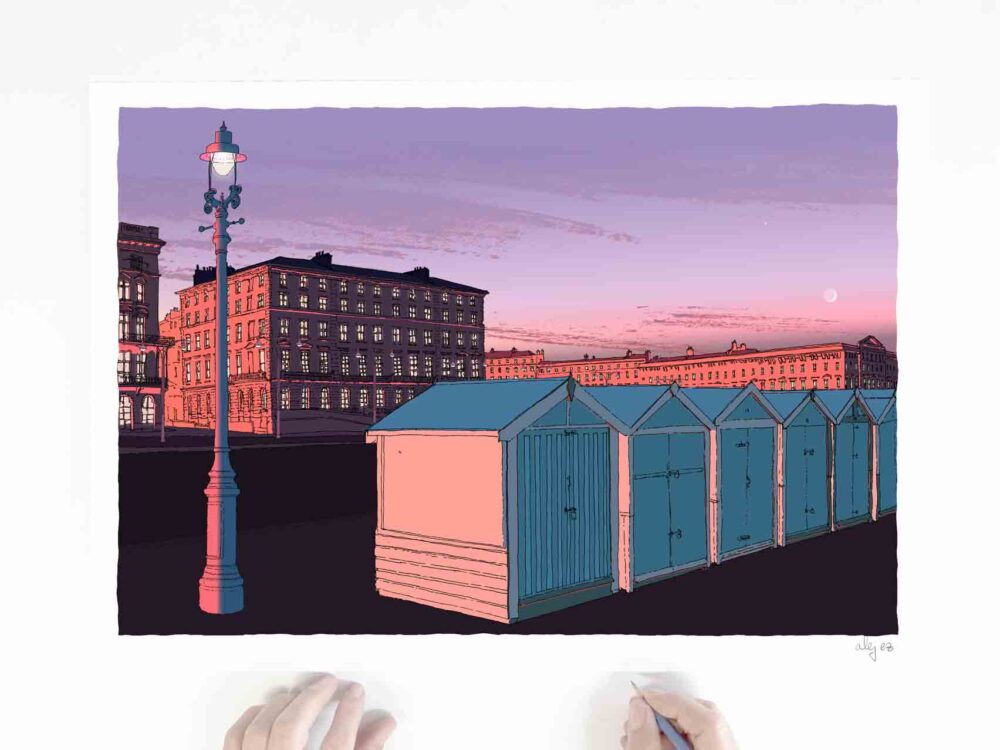
Adelaide Hove Waxing Crescent Moon
Price range: £40.00 through £310.00 Select options This product has multiple variants. The options may be chosen on the product page -
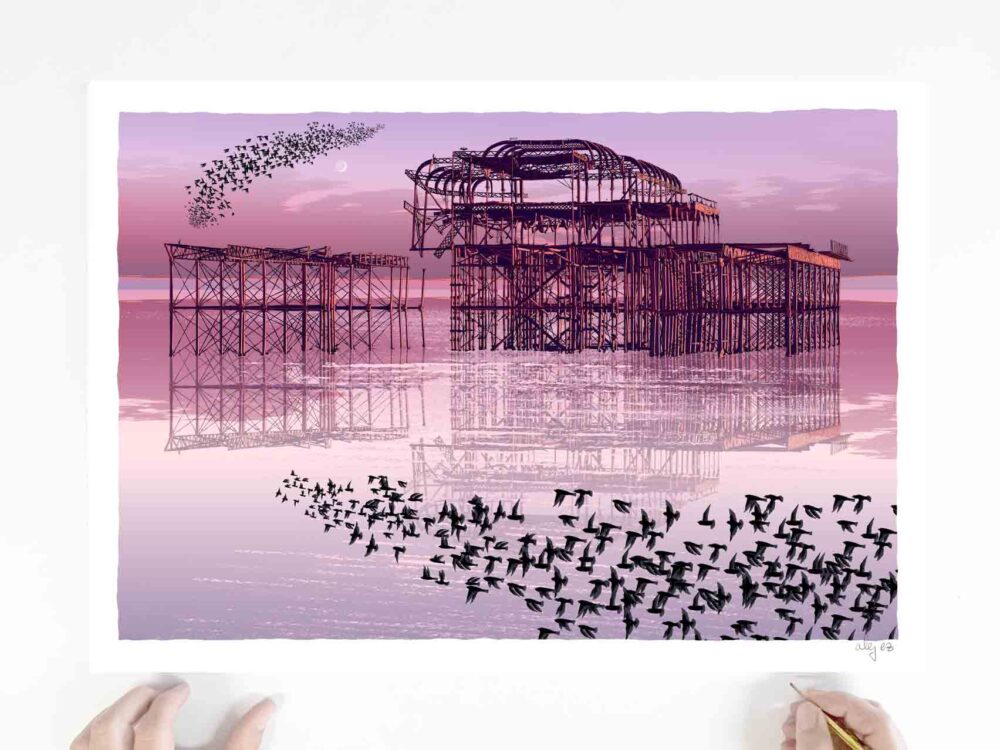
West Pier Murmuration Crescent Moon
Price range: £40.00 through £310.00 Select options This product has multiple variants. The options may be chosen on the product page -
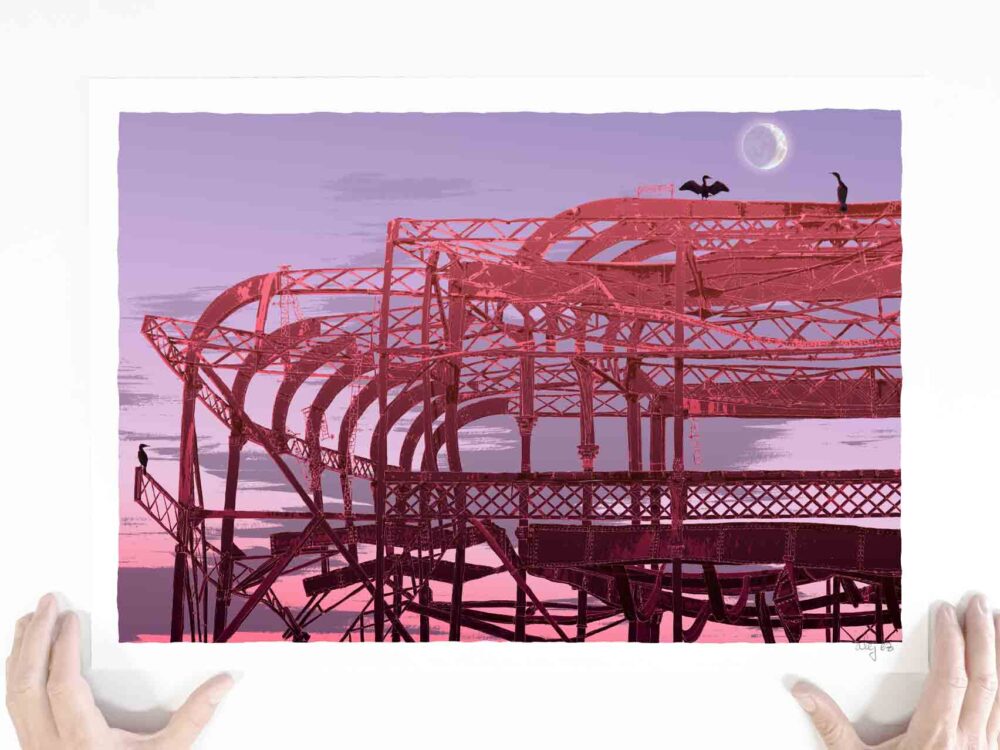
Moon Cormorants West Pier Remains
Price range: £40.00 through £310.00 Select options This product has multiple variants. The options may be chosen on the product page -
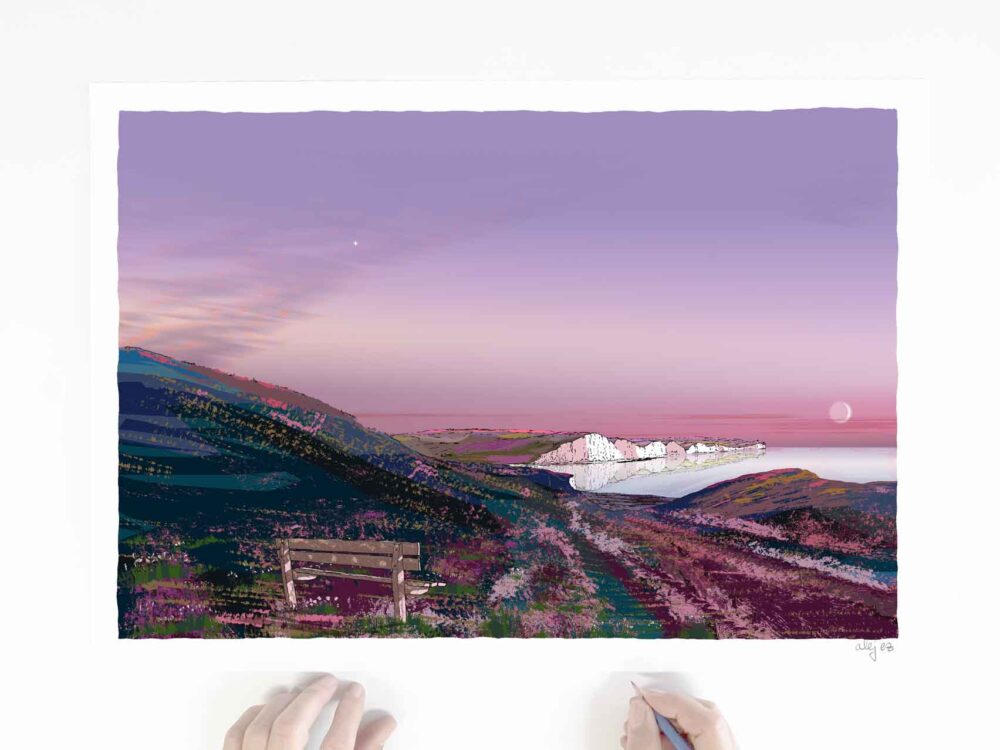
Hope Gap Venus Firmament
Price range: £40.00 through £310.00 Select options This product has multiple variants. The options may be chosen on the product page -
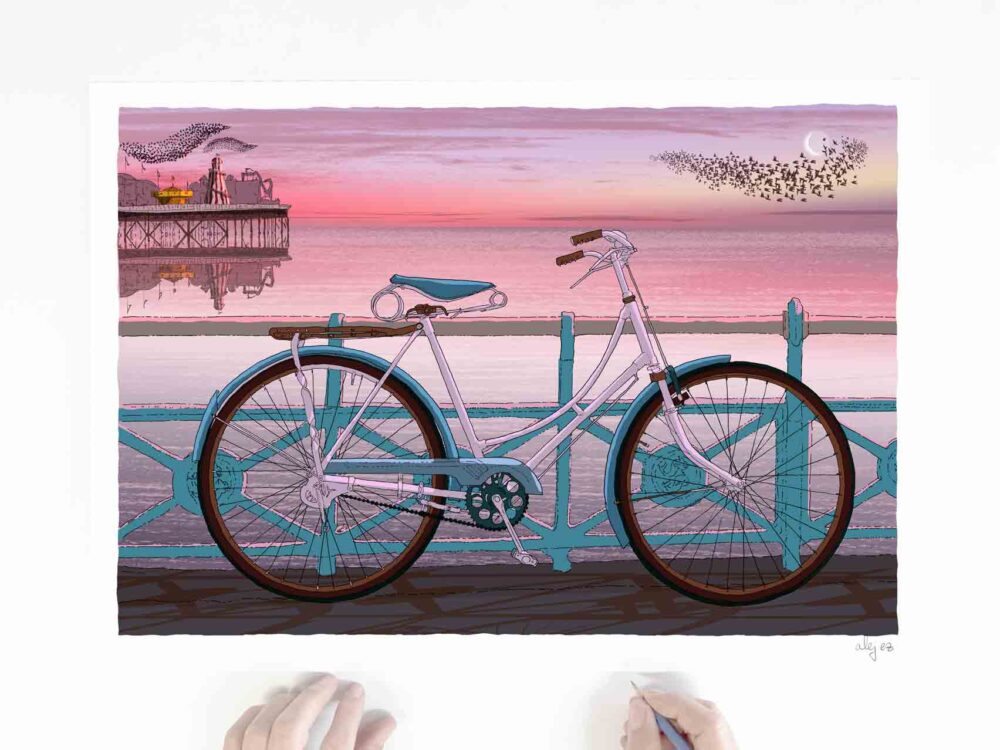
Bicycle Moon Palace Pier Starlings
Price range: £40.00 through £310.00 Select options This product has multiple variants. The options may be chosen on the product page -
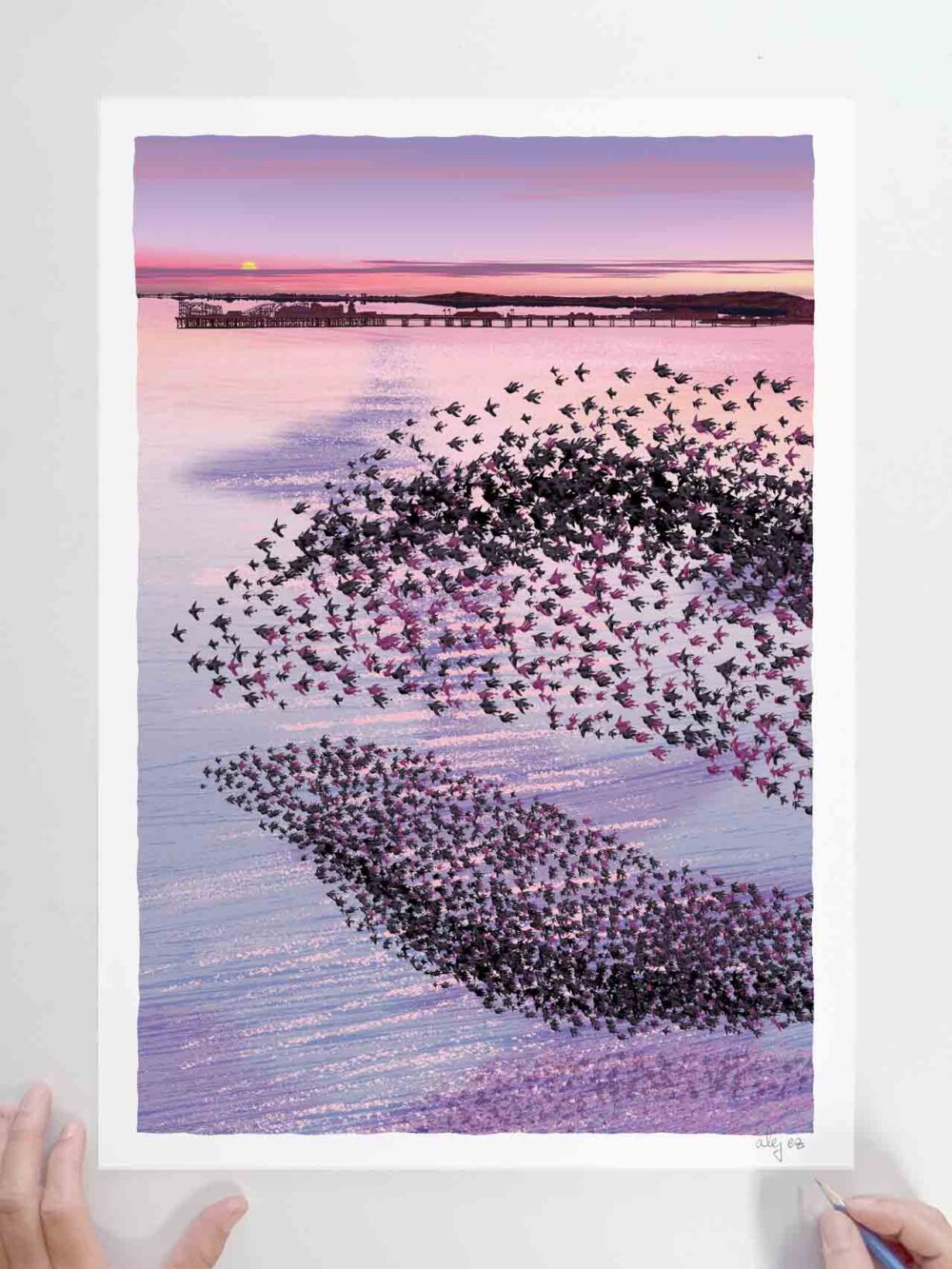
Brighton Kemptown Starlings Evening Star
Price range: £40.00 through £310.00 Select options This product has multiple variants. The options may be chosen on the product page -
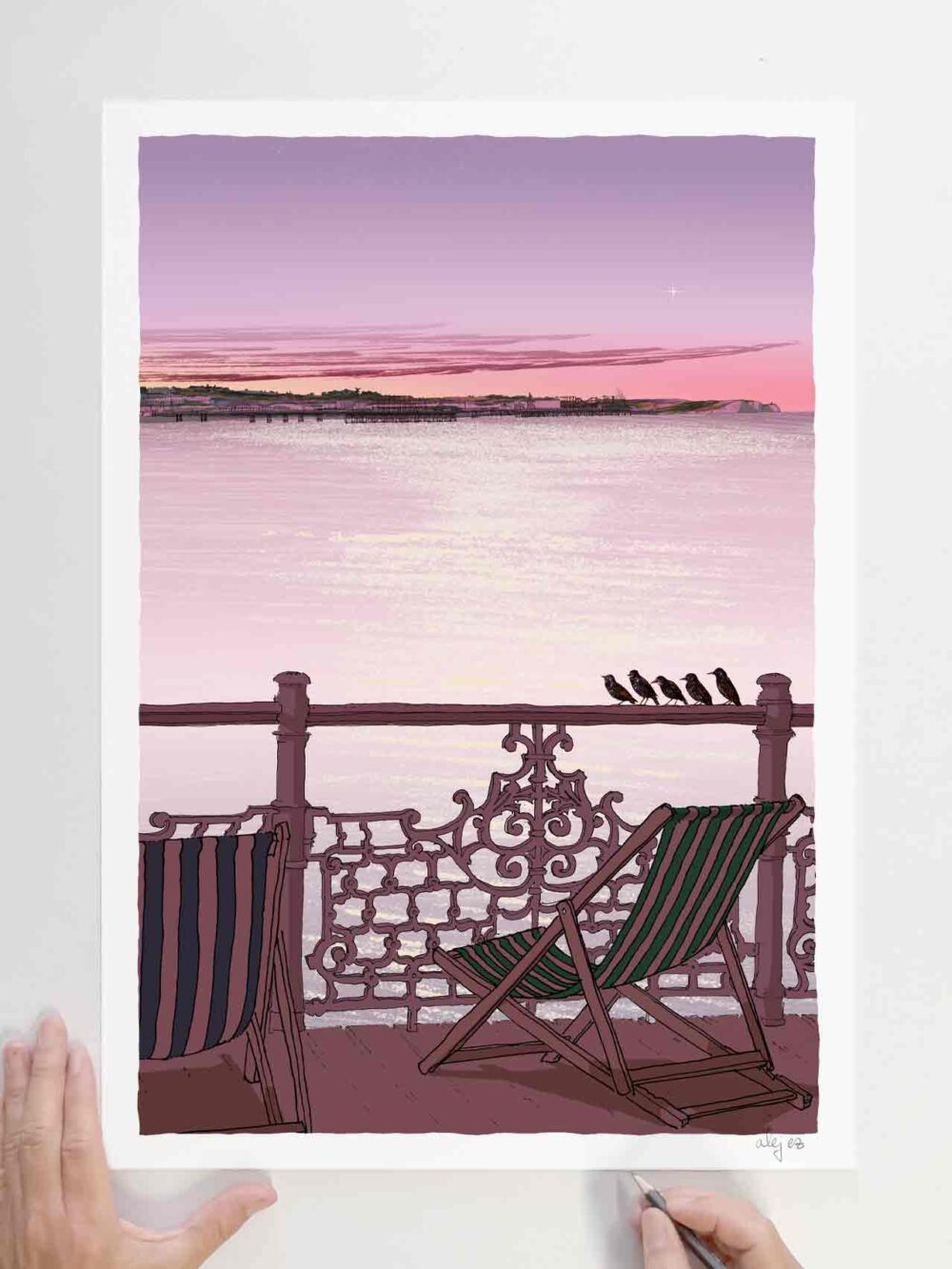
Starling Chatter Palace Pier Deck Chairs
Price range: £40.00 through £310.00 Select options This product has multiple variants. The options may be chosen on the product page -
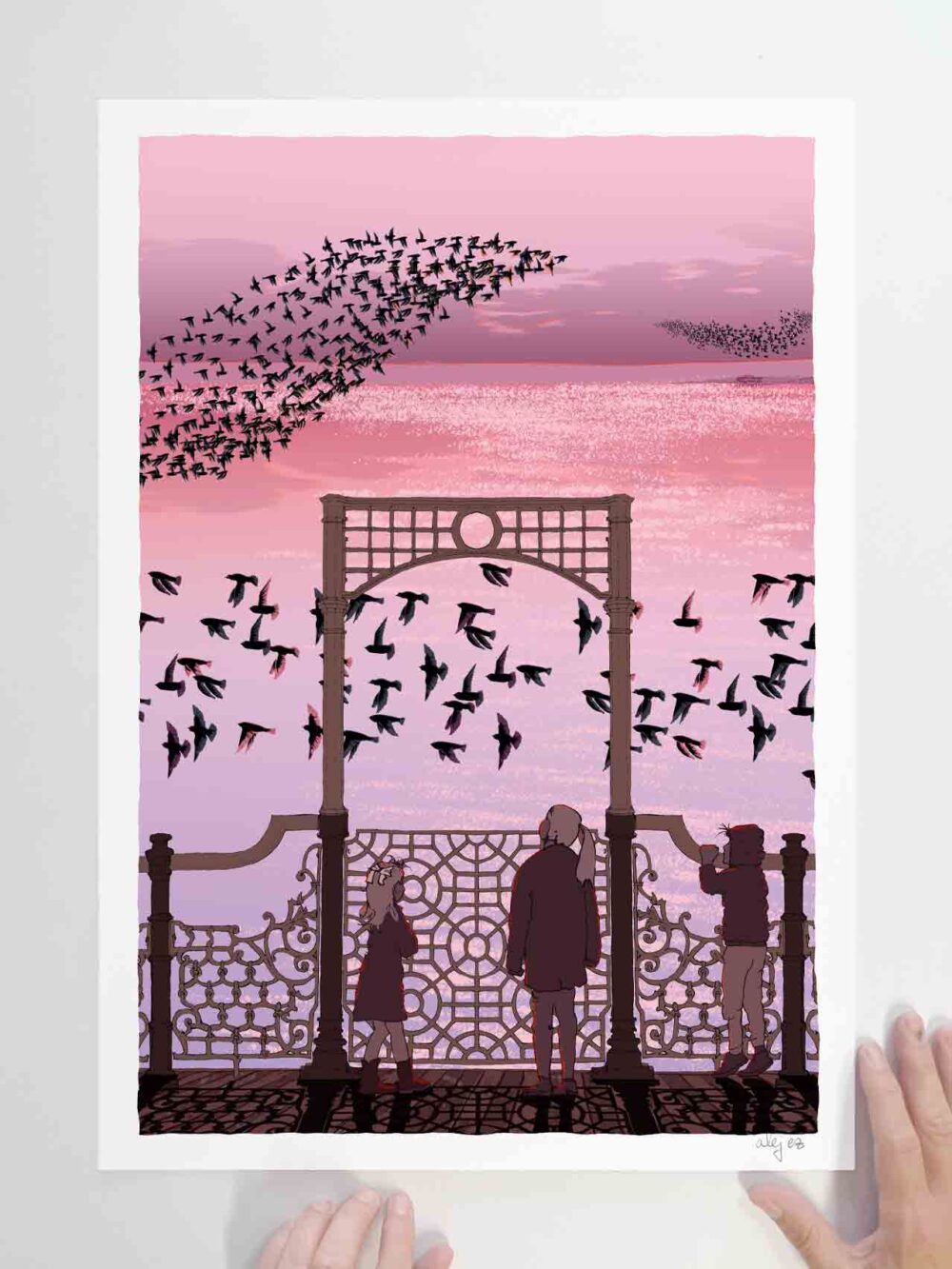
Starling Murmuration Chinoiserie Arch Palace Pier
Price range: £40.00 through £310.00 Select options This product has multiple variants. The options may be chosen on the product page -
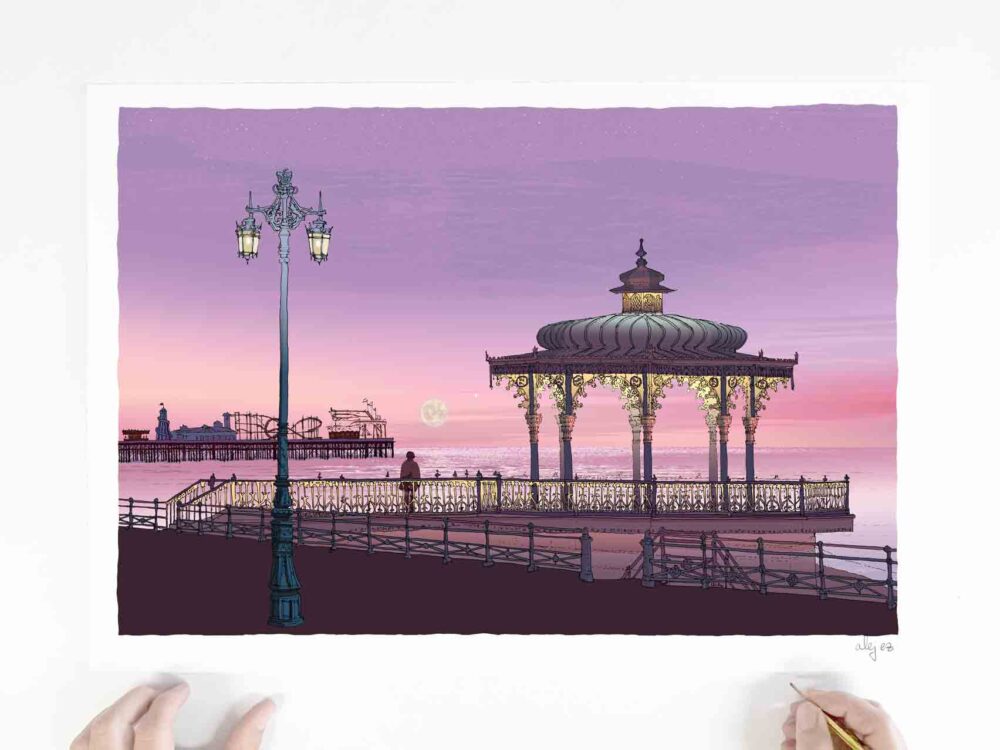
Bandstand Full Moon Enchantment
Price range: £40.00 through £310.00 Select options This product has multiple variants. The options may be chosen on the product page -
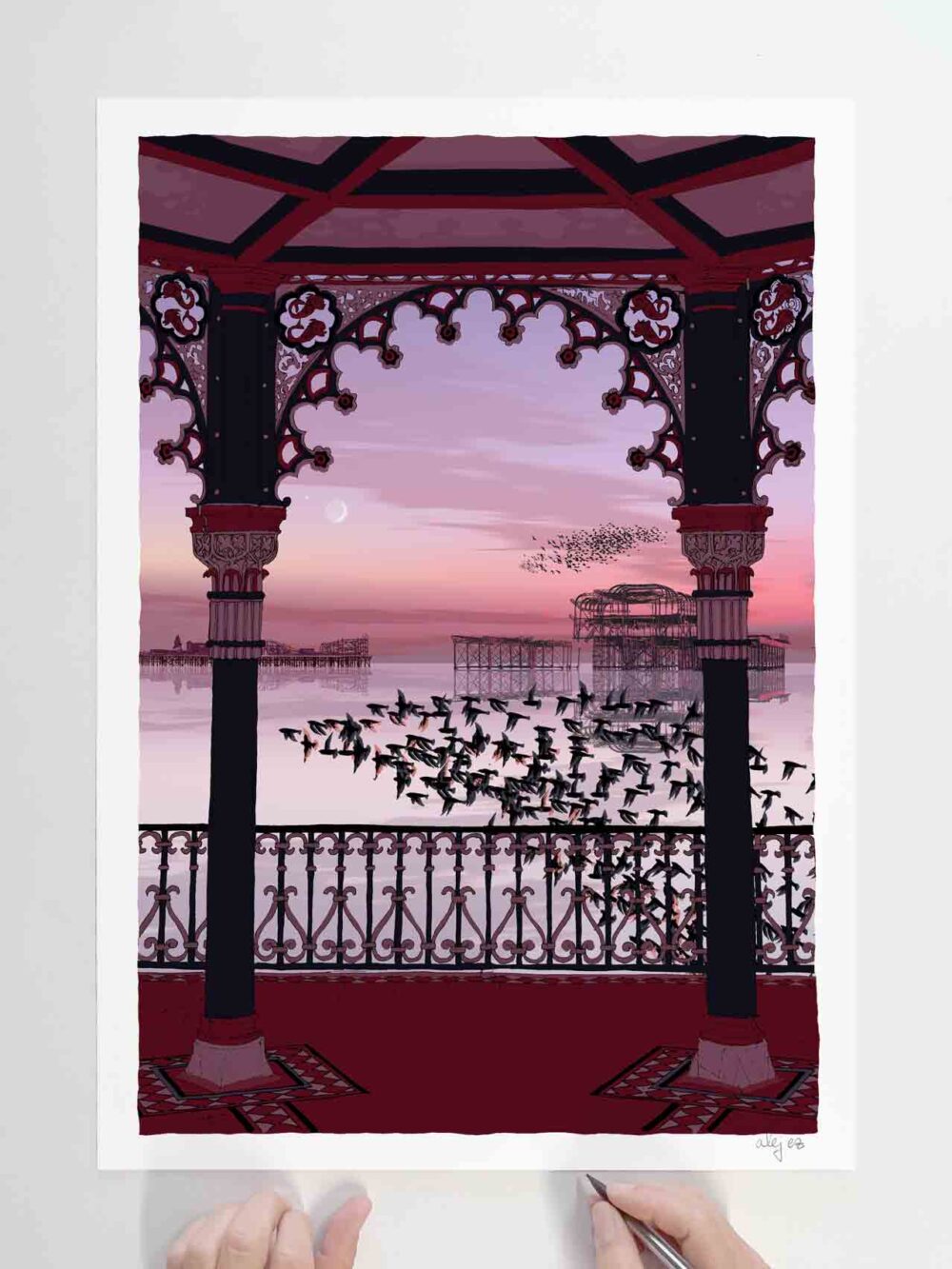
Evening Star and Starlings through the Bandstand Arch
Price range: £40.00 through £310.00 Select options This product has multiple variants. The options may be chosen on the product page -
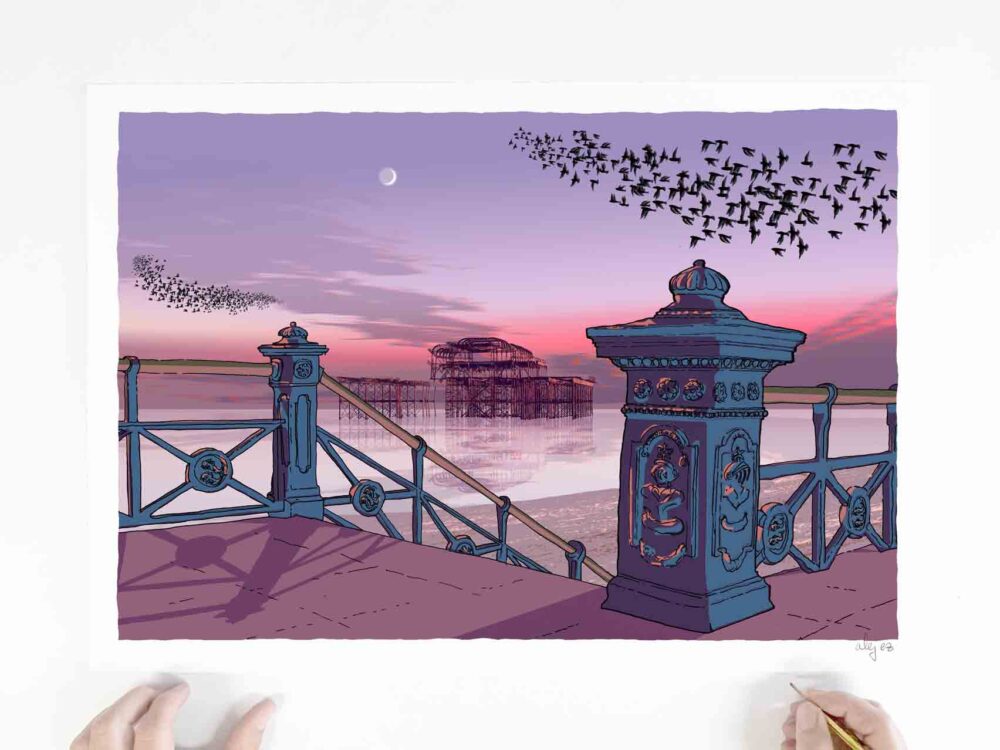
West Pier Steps Crescent Moon Murmuration
Price range: £40.00 through £310.00 Select options This product has multiple variants. The options may be chosen on the product page -
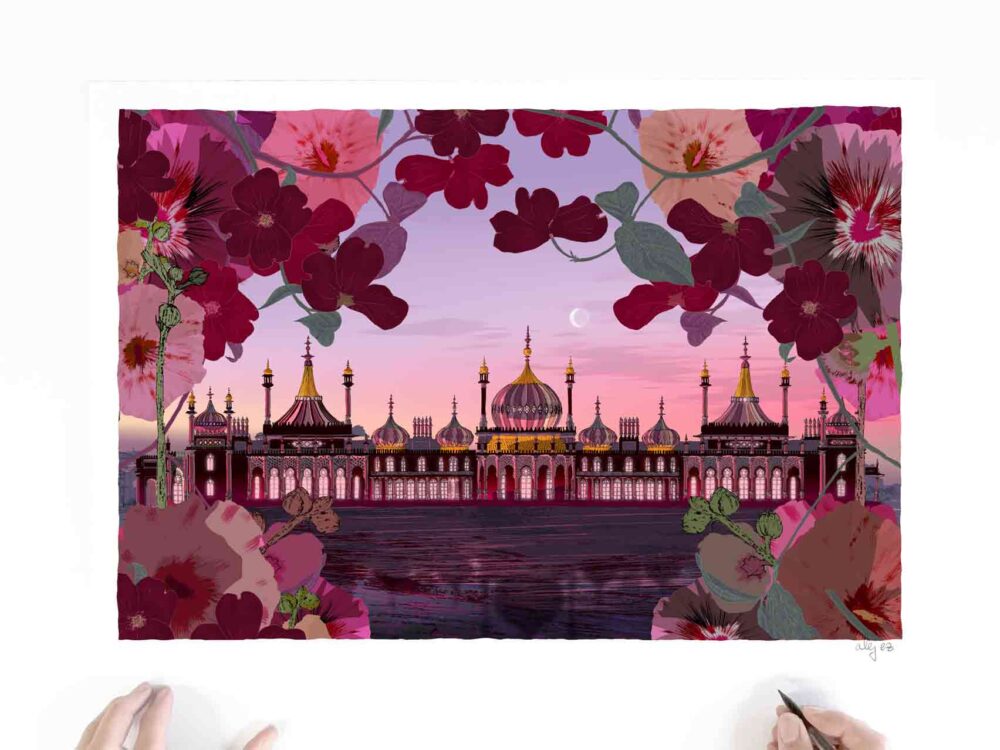
Royal Pavilion Garden Blossom Venus
Price range: £40.00 through £310.00 Select options This product has multiple variants. The options may be chosen on the product page -
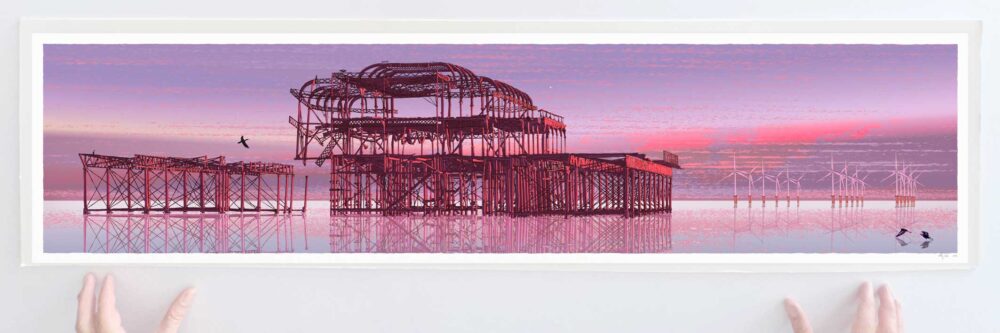
West Pier Cormorants Belt of Venus
£192.00 add to basket -
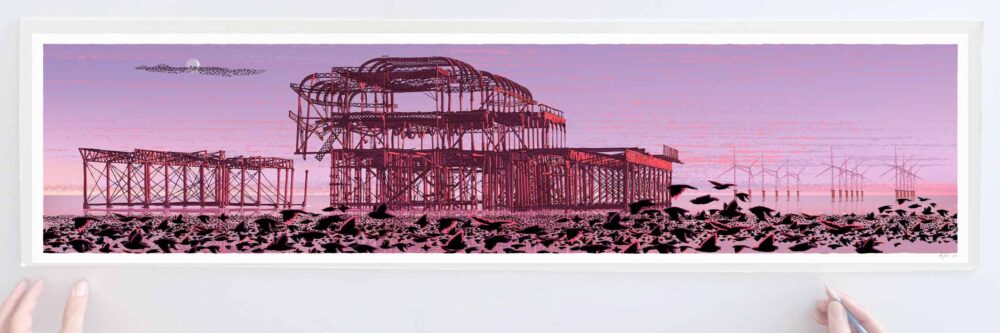
West Pier Starling Murmuration Belt of Venus
£192.00 add to basket -
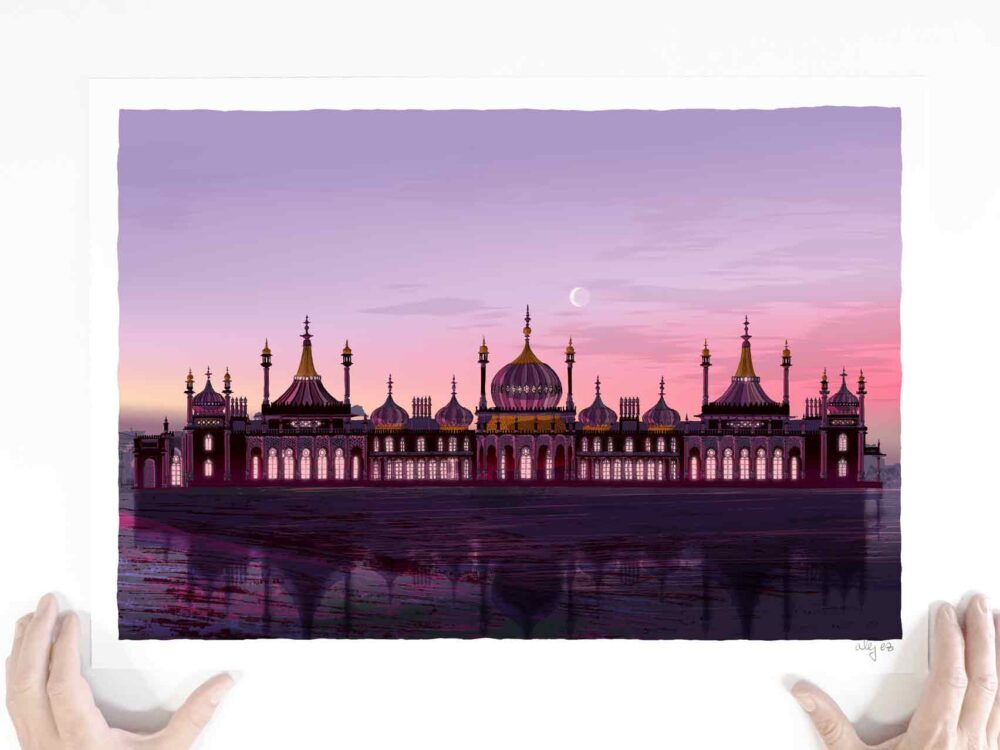
Royal Pavilion Palace Venus Star
Price range: £40.00 through £310.00 Select options This product has multiple variants. The options may be chosen on the product page -
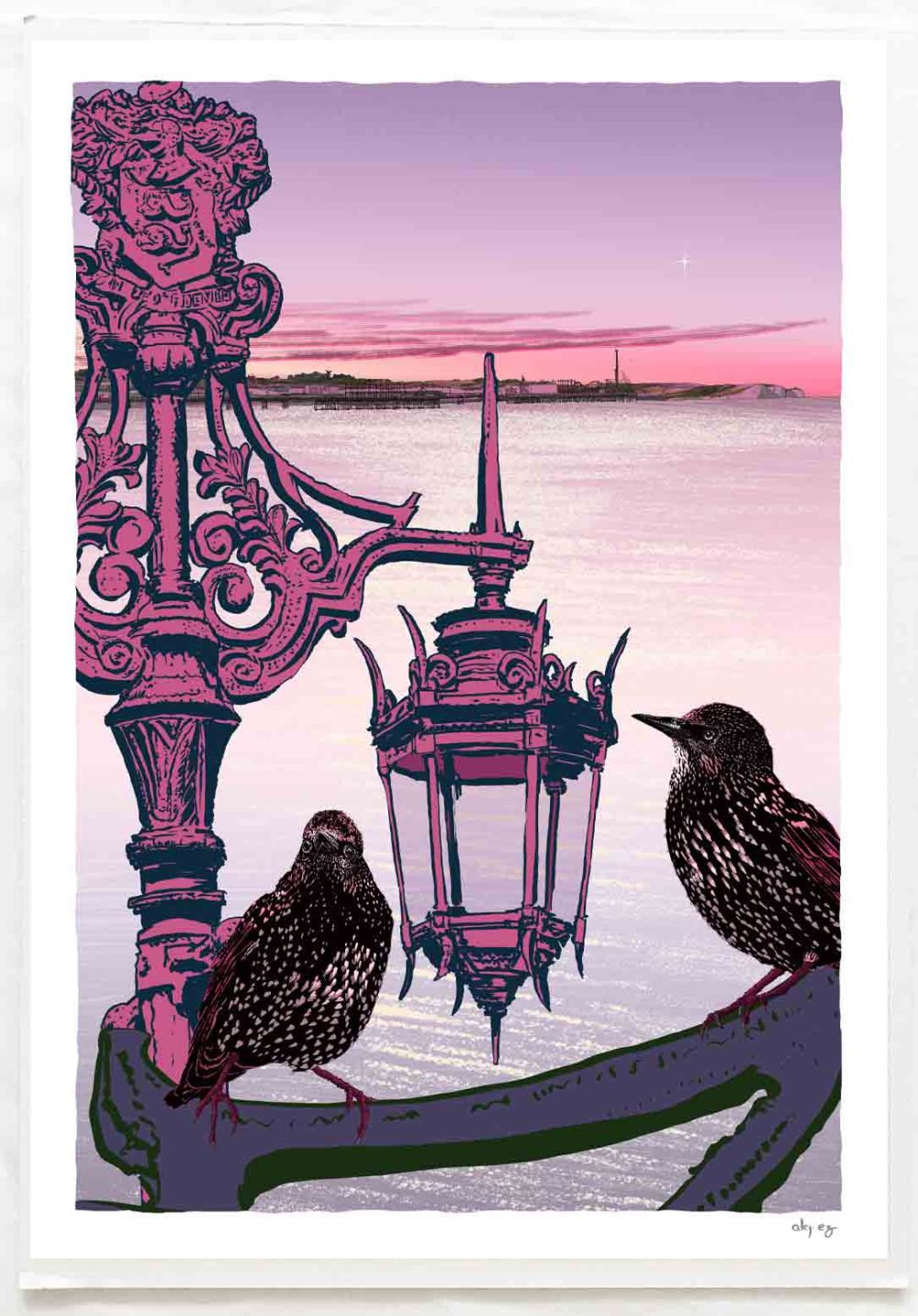
Starlight Starlings Brighton
Price range: £40.00 through £310.00 Select options This product has multiple variants. The options may be chosen on the product page -
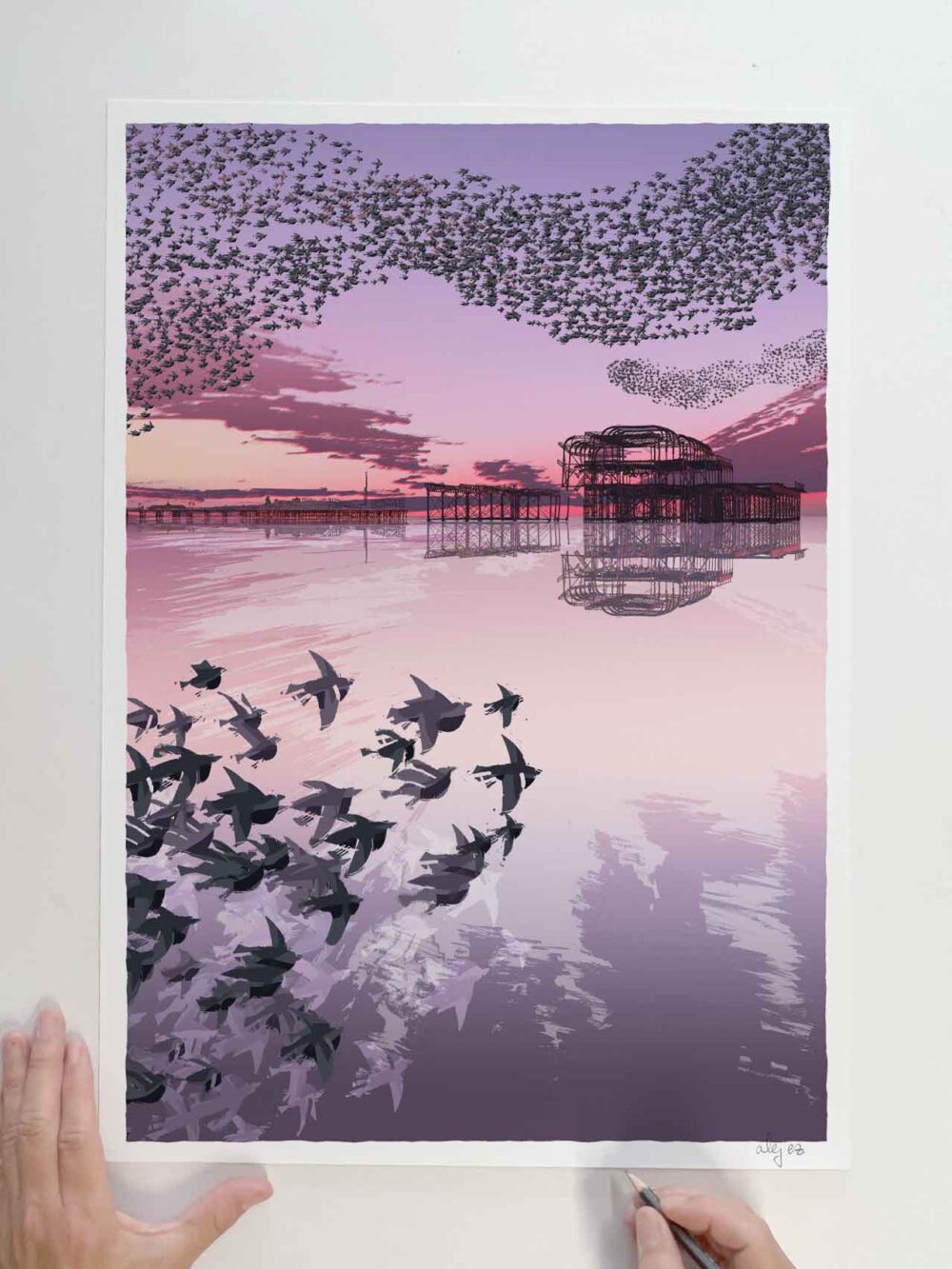
Starling Murmuration over the West Pier at Brighton Beach
Price range: £40.00 through £310.00 Select options This product has multiple variants. The options may be chosen on the product page -
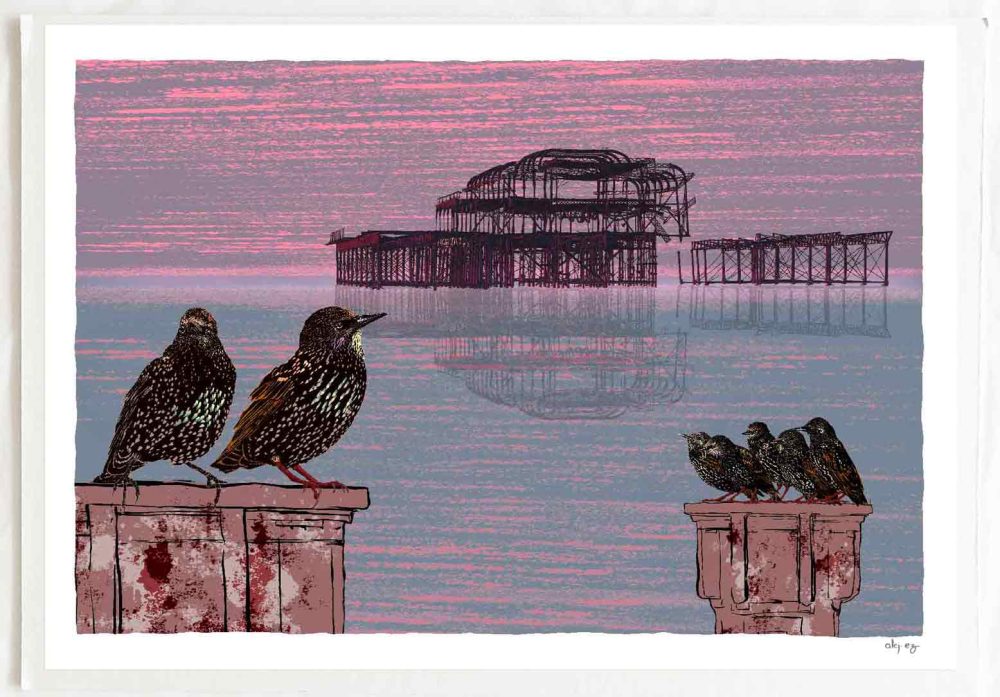
Golden Spiral Starlings West Pier
Price range: £40.00 through £310.00 Select options This product has multiple variants. The options may be chosen on the product page